Below the Surface: Denver's Hidden Venues Are Where the Real Creativity Lives
The Door That Doesn't Have a Sign
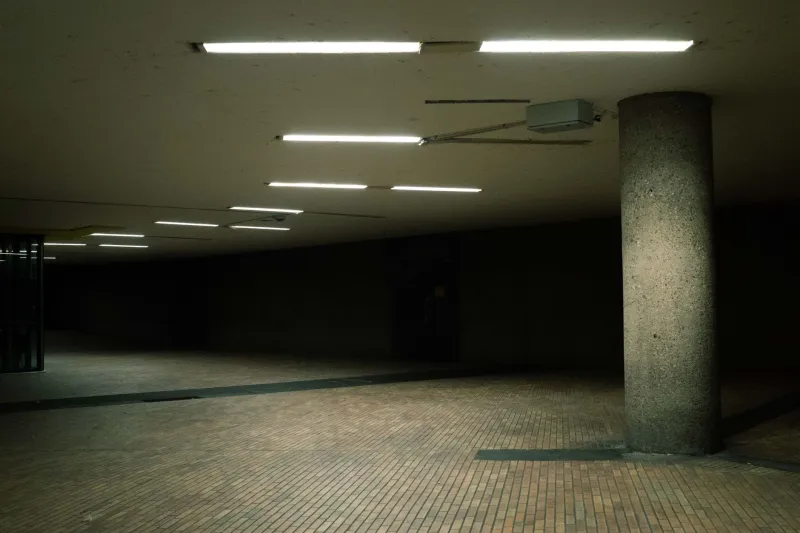
There's a basement in the Baker neighborhood — no address here, by request — where local bands have been playing to crowds of thirty people for the better part of a decade. The ceiling is low. The PA system is borrowed. The smell is part mildew, part ambition. And on any given Friday night, it's one of the most genuinely alive places in Denver.
You won't find it on Yelp. It doesn't have an Instagram with a blue checkmark. Nobody is running a promoted post about the show happening there this weekend. You find out about it the way people used to find out about things — someone tells you, and you tell someone else.
This is Denver's underground, and it's more relevant to the city's cultural identity than most people realize.
What "Underground" Actually Means Here
When people talk about underground venues, they tend to romanticize them. There's a temptation to frame every basement show as some kind of heroic act of resistance, every unmarked gallery as a middle finger to the establishment. The reality is more complicated and, honestly, more interesting.
Most of these spaces exist underground not because their organizers are ideologically opposed to legitimacy, but because legitimacy is expensive. Liquor licenses. ADA compliance. Fire code inspections. Commercial leases in a rental market that has made even modest storefronts prohibitively costly for anyone not backed by serious capital. For a lot of Denver creatives, operating informally isn't a statement — it's a survival strategy.
But here's the thing: the conditions that force these spaces underground also happen to create the conditions for genuine experimentation. When you're not worried about a bad Yelp review tanking your business, you book the weird act. When you don't have a landlord breathing down your neck about the noise, you let the show run until midnight. When nobody's tracking your foot traffic, you give a completely unknown artist a two-hour set.
The underground isn't just where Denver's culture hides. It's where it grows.
Gallery Spaces That Don't Look Like Galleries
It's not just music. Denver's visual art scene has its own version of this — informal exhibition spaces operating out of warehouses in Globeville, converted garages in Swansea, and living rooms in Westwood that get temporarily transformed into functioning galleries for a single weekend.
One collective that asked to remain unnamed has been mounting shows in a rented industrial space near the Platte River for three years. They don't advertise beyond a mailing list and some word-of-mouth. The shows have featured painters, sculptors, installation artists, and at least one event that was equal parts performance art and community potluck. None of it would have happened in a traditional gallery setting, where the economics demand that art be commercially viable and the programming be predictable enough to attract reliable foot traffic.
"The galleries downtown are beautiful," one organizer told us. "But they're also businesses. They have to be. We don't have to be anything, which means we can show work that doesn't fit anywhere else."
That freedom, born entirely out of necessity, has turned these informal spaces into the actual R&D labs of Denver's art scene.
The Legitimacy Question
There's a tension at the heart of all this that deserves some honest examination. Operating outside formal systems means operating without certain protections — for the people running these spaces, for the performers, and for the audiences who show up not entirely sure what they're walking into.
Fire safety is real. Accessibility matters. The fact that a space feels authentic doesn't mean it's safe, and the underground's relationship with those concerns is complicated at best and irresponsible at worst in some cases.
But there's another side to the legitimacy question that doesn't get talked about as much: what happens when underground spaces get legitimized? The history is not encouraging. Time after time, the Denver venues that started as raw, scrappy, community-driven spaces have followed the same arc — they get noticed, they get popular, they attract investment, and then they become something that looks like the original but functions completely differently. The risk tolerance disappears. The weird bookings stop. The door policy gets stricter.
The underground survives partly because it stays underground. The moment it becomes a destination, it starts becoming something else.
What These Spaces Say About Denver Right Now
Denver is a city in the middle of a long, complicated conversation about who it's for. The new development along the South Platte. The condo towers going up in neighborhoods that used to be affordable to artists and musicians. The way certain ZIP codes have become almost entirely unrecognizable to people who lived there a decade ago.
In that context, the persistence of underground venues feels like more than just a quirk of the city's creative class. It feels like a response. A refusal to disappear quietly.
The basement in Baker is still booking shows. The warehouse collective is still hanging work. Somewhere in RiNo, in Globeville, in Montbello, in places that haven't been written up in lifestyle magazines yet, people are making rooms where things can happen that couldn't happen anywhere else.
That's not nothing. In a city that keeps asking what it's becoming, these spaces are a reminder of what it already is — messy, scrappy, and genuinely alive in ways that no amount of redevelopment can fully engineer away.
You just have to know where to look. And more importantly, you have to know someone who'll tell you.