Block by Block: What Makes Some Denver Neighborhoods Feel Like Home — and Others Feel Like a Transaction

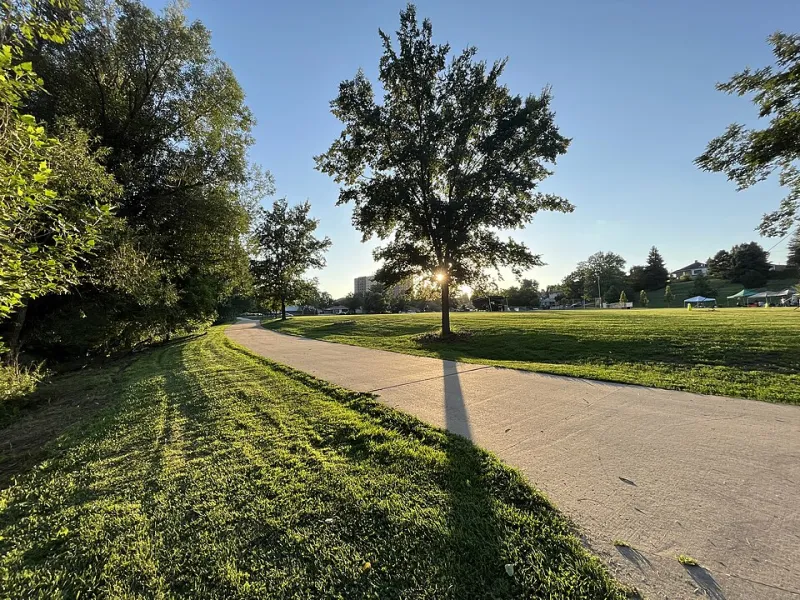
Photo by Photo by Gina Santangelo on Unsplash on Unsplash
There's a specific feeling you get when a neighborhood actually works. You know the one — where the coffee shop owner knows your order, where someone's kid is always drawing chalk animals on the sidewalk, where a handwritten flyer for a block party looks totally normal stapled to a telephone pole. Denver has pockets of that feeling scattered all over the city. The trick is figuring out why some blocks have it and others, despite all the new construction and fresh paint, just... don't.
Denver is changing fast. That's not a controversial statement — it's something you hear from practically everyone, whether they've been here 40 years or 40 months. But within that change, there are neighborhoods doing something quietly remarkable: they're building identity on purpose. And the results are worth paying attention to.
RiNo: Art as Infrastructure
RiNo — the River North Art District, for anyone still learning the Denver shorthand — is probably the city's most talked-about neighborhood transformation story. What was once a stretch of industrial warehouses and rail yards is now home to some of the most photographed street murals in the country, a dense cluster of breweries and galleries, and a creative economy that draws both serious artists and weekend tourists.
But ask longtime RiNo residents what makes the neighborhood actually feel like a community, and they'll point to things you might not find on a travel blog. They'll mention the collective studios where working artists still share space at below-market rates. They'll bring up the annual mural festivals that prioritize local artists over imported names. They'll tell you about the neighborhood association meetings where business owners and residents — not just developers — actually show up and argue.
"The art isn't decoration here," says one muralist who's worked in the neighborhood for over a decade. "It's how people communicate. A new mural goes up and people stop, they talk to each other. That doesn't happen by accident."
That's the thing about RiNo's community identity: it was built through intentional friction as much as cooperation. Longtime creatives pushed back hard when luxury condos started pricing out the studios that gave the neighborhood its name. Some of those battles were lost. But the ones that were won — protected affordable studio space, community art programs, murals that tell neighborhood history rather than sell a vibe — left a visible mark.
Highland: The Revival That Kept Its Roots
Cross the Millennium Bridge and you're in Highland, a neighborhood with a completely different energy. Where RiNo buzzes with the slightly chaotic electricity of a creative hub, Highland feels more like a neighborhood that decided, collectively, that it wanted to be a place where people actually live their lives.
Highland's revival over the past two decades has been driven significantly by family investment — not just real estate investment, but the kind where people move in, put down roots, and start caring about school quality and sidewalk safety and whether the corner store stocks the things their kids actually want. The neighborhood's walkability isn't accidental; it's the result of years of advocacy from residents who wanted streets that felt safe enough to actually use.
Local businesses here tend to reflect that orientation. Independent bookstores, family-owned taquerias, and a farmers market that's been running long enough to have regulars — these aren't amenities bolted on for curb appeal. They grew because people asked for them and kept showing up.
"You can feel when a neighborhood is built for residents versus built for buyers," says one Highland homeowner who relocated from the suburbs eight years ago. "This place felt like people actually lived here. That was the thing that got me."
The Gentrification Gap
Of course, not every Denver neighborhood is navigating this moment with the same results. The honest version of this story has to include the neighborhoods where rapid development has outpaced community cohesion — where longtime residents, particularly communities of color, have been displaced by rising rents before any sense of shared identity could take root for the newcomers moving in.
Five Points is the most discussed example. Once the heart of Denver's Black cultural life — home to jazz clubs, civil rights organizations, and multigenerational families — the neighborhood has seen dramatic demographic shifts over the past two decades. New residents often arrive with no knowledge of that history, and without that connective tissue, what you get isn't really a neighborhood in the fullest sense. It's more like a location.
The difference, community organizers say, isn't just about money. It's about whether new development makes any real effort to honor and integrate existing community identity, or whether it treats the neighborhood as a blank slate.
"When people move into a place and act like nothing was there before them, that's not community building," says one longtime Five Points resident who runs a neighborhood history project. "That's erasure with better lighting."
What Actually Works
So what separates the neighborhoods that feel genuinely connected from the ones that feel like sets? Talking to residents across Denver, a few themes keep coming up.
Institutional anchors matter. Whether it's a community garden, a neighborhood association with real teeth, or a local business district that reinvests in the community, neighborhoods with durable institutions tend to have stronger identities. These are the things that outlast any individual resident or development cycle.
History has to be visible. Neighborhoods that feel authentic are usually ones where you can read the story of the place just by walking around — in the murals, the architecture, the businesses, the events. When that history gets paved over, something essential disappears.
Conflict is part of the process. The healthiest neighborhood communities aren't the ones where everyone agrees. They're the ones where disagreement happens in the open, at meetings and in letters to the editor and on community boards, rather than quietly, through displacement.
Denver is going to keep growing. More people are going to keep moving here, drawn by the mountains and the job market and whatever version of the city they saw on Instagram. The question isn't whether the city will change — it's whether the neighborhoods that give Denver its actual character will survive that change with their identities intact.
Based on what's happening block by block, the answer is: it depends entirely on whether the people who live there decide it matters enough to fight for.