Built Here, Sold Here: Denver's New Makers Are Putting Production Back on the Map
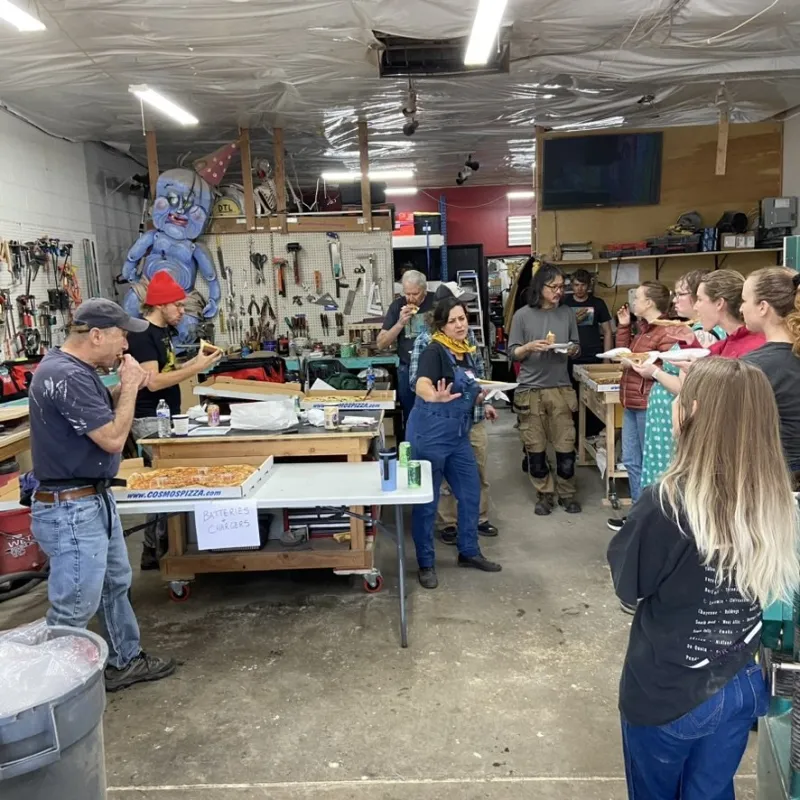
Photo: Denver maker workshop local craftsman manufacturing small business, via images.squarespace-cdn.com
There's a workshop off Brighton Boulevard where the smell of fresh-cut walnut hits you before you even open the door. Inside, a guy named Marcus is running a CNC router through a slab of reclaimed pine, shaping it into a dining table that'll end up in a Baker bungalow by the end of the month. He's not a hobbyist. He's not doing this on weekends. This is his business — and it's been growing for three straight years.
That's not a story Denver used to tell about itself.
For a long time, Denver's economic identity was pretty straightforward: people came here to consume. Great restaurants, booming hospitality, a tech sector that imported its products from somewhere else and asked its workers to buy things, not make them. Manufacturing? That left quietly, sometime between the oil bust of the '80s and the service economy boom of the early 2000s. Nobody threw it a going-away party.
But something is shifting. Slowly, block by block, a new generation of makers is moving into the city's industrial pockets — and they're not just making artisan soap or small-batch hot sauce. They're running serious operations: custom fabrication shops, craft beverage producers, electronics hardware startups, textile studios. The maker economy in Denver is no longer a quirky sidebar. It's starting to look like a real economic layer.
The Neighborhoods Doing the Heavy Lifting
If you want to trace where this is happening, start in RiNo — River North Arts District — where the creative class long ago colonized old warehouse space. But RiNo is expensive now, and a lot of the early makers who set up shop there have been pushed further north or east as rents climbed. The action has spread.
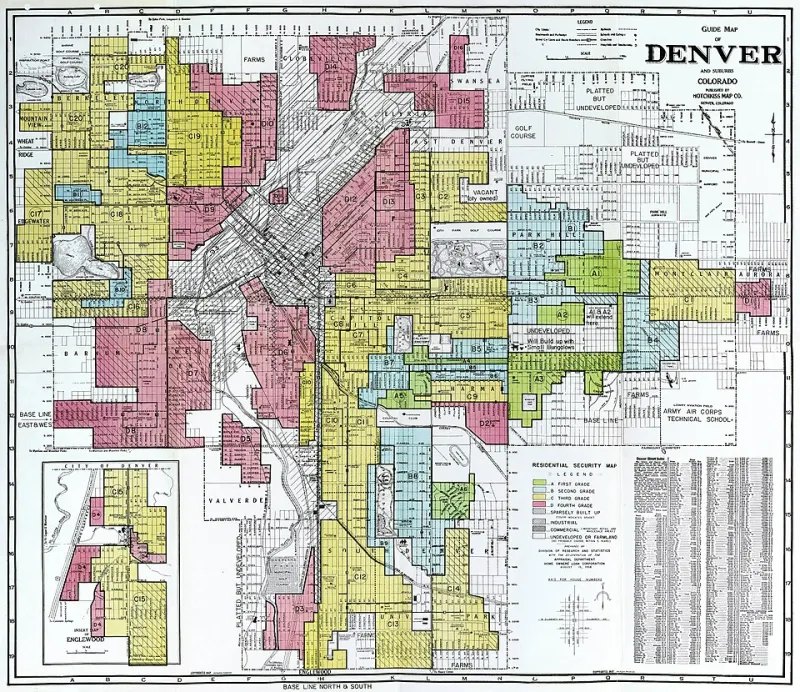
Globeville and Elyria-Swansea, two neighborhoods that have historically been underserved and overlooked, are quietly becoming incubators for small manufacturers. The land is cheaper, the buildings are older and more adaptable, and the zoning — still carrying industrial classifications in many parcels — actually works in a maker's favor. You can run a powder-coating operation or a small-batch distillery without fighting your neighbors or the city over permits.
SunValley, just west of downtown, is another one to watch. With redevelopment pressure mounting around Empower Field, some industrial tenants are bracing for displacement — but others are digging in, betting that proximity to downtown is worth the fight.
And then there's the stretch of South Broadway near the Evans corridor, where a cluster of custom auto shops, leather goods studios, and small-run print operations have been coexisting with the vintage furniture scene for years. It doesn't get talked about much as a "maker hub," but walk it on a Tuesday morning and you'll understand.
What's Actually Driving This
Talk to the people running these operations and a few common threads emerge.
First, there's the pandemic hangover. Supply chain chaos between 2020 and 2022 reminded a lot of small business owners — and their customers — that depending on distant production is a vulnerability. Local sourcing stopped being a marketing bullet point and started being a survival strategy. Some of the makers who launched during or just after that period cite it directly as the moment they realized there was real demand for locally produced goods.
Second, there's the craft beverage effect. Denver's brewing scene — which now includes serious players in spirits, cider, and non-alcoholic beverages — essentially proved the model. You can build a production facility inside city limits, turn it into a destination, sell direct to consumers, and build a brand that competes nationally. That template is being borrowed by furniture makers, ceramicists, electronics tinkerers, and apparel producers who watched the breweries figure it out first.
Third — and this one is a little harder to quantify — there's a values shift among younger entrepreneurs. A meaningful chunk of the people opening fabrication studios and production shops in Denver are in their 30s, came up in the gig economy, and are deliberately choosing to build something tangible. They want to make objects. They want employees, not contractors. They want a physical place that does a physical thing. That's not nostalgia. That's a reaction to a decade of watching the "asset-light" business model hollow out communities.
The Tension Nobody Wants to Name
Here's the uncomfortable part: Denver's economic development apparatus has not always made it easy to be a maker in this city.
Zoning is one issue. Swaths of the city that were once light-industrial have been rezoned for mixed-use development, which sounds great until you realize it means a furniture studio can't afford the same square footage as a luxury apartment building. The city talks a good game about supporting small business, but the land-use decisions of the last 15 years have systematically made production space harder to find and more expensive to hold.
Permitting is another friction point. Denver's process for getting a manufacturing or production facility up and running can be slow and opaque in ways that hit small operators much harder than large developers. A craft distillery founder who spent 14 months waiting on approvals before opening her Sunnyside facility told us she'd have given up if she hadn't already signed the lease. That's not a ringing endorsement of the city's maker-friendliness.
And then there's the broader question of who the city is building itself for. Denver has spent the better part of two decades marketing itself as a lifestyle destination — outdoor recreation, great food, a booming downtown. That's a consumption identity. Making things — actually producing goods, running machines, employing people in trades — doesn't fit neatly into that brand. Which means maker businesses sometimes feel like they're operating in the city's blind spot, tolerated but not championed.
Why It Matters Beyond the Cool Factor
It would be easy to write about Denver's maker economy as a charming trend piece — look at these scrappy artisans! — and leave it at that. But there's something more significant at stake.
Manufacturing jobs, even small-scale ones, tend to pay better than service jobs and offer more stability. A custom fabrication shop with 12 employees is building a different kind of economic floor than a restaurant with 12 servers. When cities lose their production capacity entirely, they also lose a certain kind of economic resilience — the ability to adapt, to pivot, to make something new when the service economy hits a rough patch.
Denver has been in growth mode long enough that this conversation feels abstract. But ask anyone who was here during the oil bust, or who watched the hospitality sector crater in 2020, and they'll tell you: a city that only consumes is a city that's one bad season away from a real crisis.
The makers setting up shop in Globeville and RiNo and South Broadway aren't just building furniture and brewing beer. They're building a hedge against that fragility. Whether Denver is smart enough to protect the space they need to do it — that's the real question.