Trading Skills, Not Dollars: Denver's DIY Community Networks Are Filling the Void Left by Vanishing Gathering Spaces
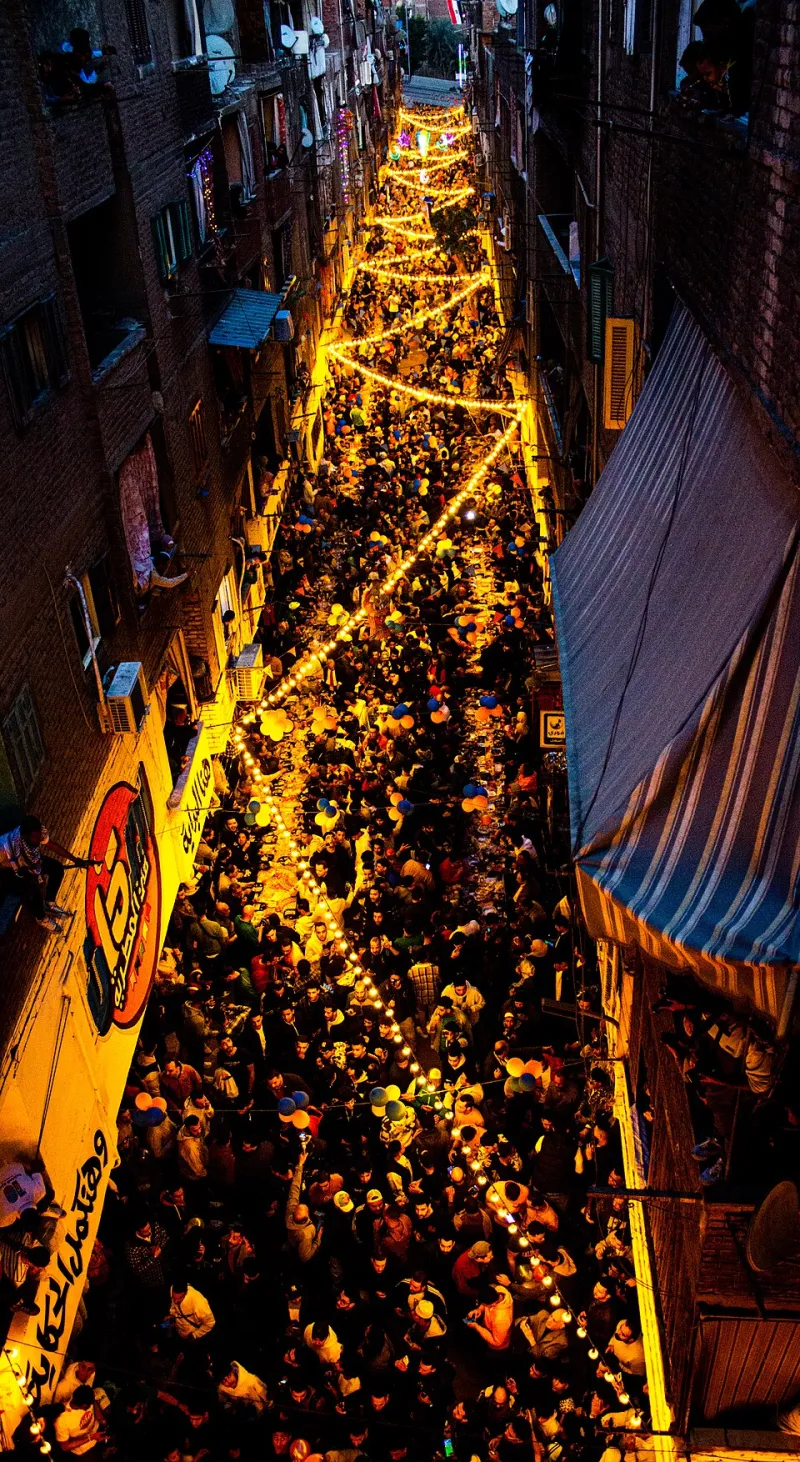
Photo: Mohamed Nouh27, CC0, via Wikimedia Commons
Somewhere in a Capitol Hill living room on a Tuesday night, a former line cook is teaching a small group of strangers how to make fresh pasta from scratch. Nobody paid to be there. In exchange, one of those strangers — a licensed electrician — will show up next weekend to walk the cook through basic home wiring. Another person in the room, a graphic designer, is quietly taking notes, already thinking about the logo she'll sketch for the electrician's side hustle.
No app. No transaction fee. No Venmo request afterward.
This is what community looks like in Denver right now — at least for a growing slice of residents who've quietly given up on finding it anywhere else.
The Disappearing Middle Ground
Denver has lost a lot of its informal gathering infrastructure over the past decade. The coffee shop that used to host open mics is now a smoothie franchise. The neighborhood rec center cut its evening programming. The beloved dive bar that doubled as a de facto community living room got sold, gutted, and rebranded. These weren't just places to spend money — they were what urban sociologists call "third places," the spaces between home and work where people actually get to know each other.
When those spaces shrink, something has to fill the gap. And increasingly in Denver, what's filling it isn't a new venue or a city-funded initiative. It's people quietly texting each other.
"There's this moment where you realize the city isn't going to build what you need," says one Globeville resident who asked to be identified only by her first name, Maria. "So you just start doing it yourself."
Maria helps organize what she calls a "swap circle" — a loose network of about 40 people across north Denver who trade practical skills, tools, and time on a handshake basis. Need your car looked at? There's a retired mechanic in the group. Learning Spanish? Two fluent speakers rotate hosting conversation nights. Trying to figure out sourdough? There's literally a waiting list.
The New Currency Is Competence
What makes these networks different from a standard neighborhood Facebook group or a NextDoor thread isn't just the in-person element — it's the underlying philosophy. These aren't transactional in the traditional sense. There's no ledger, no formal points system, no expectation of immediate reciprocity. The currency is trust, and it compounds slowly.
That's a deliberate rejection of the app-ified, gig-economy logic that dominates so much of modern Denver life. When everything from your groceries to your social life gets filtered through a platform that takes a cut, something gets lost. These skill-share networks are, in part, a direct response to that exhaustion.
"People are tired of paying to belong somewhere," says a Baker neighborhood resident who runs a small underground maker collective out of his garage. The collective — which he describes as part workshop, part neighborhood hangout — has no dues, no formal membership, and no posted hours. Word spreads through mutual friends. You show up, you contribute something, you're welcome back.
The tools inside the garage are collectively maintained. The knowledge is freely shared. Someone brings beer. Someone else brings their kid, who ends up learning how to use a lathe at age twelve.
It's messy and informal and, by most accounts, exactly what people are looking for.
Mapping the Invisible Infrastructure
These networks are genuinely hard to track, which is partly the point. They exist in group chats, in word-of-mouth referrals, in the kind of slow social trust that doesn't scale and wasn't designed to. But they're more widespread than most people realize.
In Sunnyside, a rotating cast of neighbors has been running a monthly skill-share dinner for nearly two years. Topics have ranged from basic car maintenance to fermenting kombucha to navigating Denver's tenant rights laws. In Westwood, a group of predominantly Latinx residents has built a mutual aid network that started with food sharing during the pandemic and has since expanded into a full-blown resource exchange covering childcare, home repair, and job referrals.
Over in RiNo — yes, even in the neighborhood that became a symbol of Denver's gentrification — a handful of artists and tradespeople have quietly organized a collective that operates almost entirely outside the formal economy. They share studio space, equipment, and client leads. They also, notably, keep a low profile.
"The moment it gets too public, it changes," one participant explains. "People show up with the wrong energy. They want to extract something instead of contribute."
What the City Could Learn
There's an obvious irony here. Denver has spent years and significant public money trying to build "community" through official channels — city-sponsored events, new park amenities, designated arts districts. Some of that investment has been genuinely valuable. But a lot of it produces the kind of community that looks good in a press release and feels hollow in person.
These grassroots networks, by contrast, are producing something that feels real precisely because nobody's trying to brand it. The trust is earned, not manufactured. The connections are lateral, not institutional.
City planners and community development folks would probably love to figure out how to replicate this at scale. The people running these networks would probably tell them that's exactly the wrong instinct.
"Scale kills it," Maria says, simply. "The point is that it's small enough that everyone knows each other. That's not a bug. That's the whole thing."
A City Rebuilding Its Own Connective Tissue
Denver is, by most measures, a city in transition — economically, culturally, demographically. The growth has brought money and visibility and a lot of very good restaurants. It has also brought a particular kind of loneliness that nobody talks about at the chamber of commerce.
These skill-swap circles and informal collectives aren't going to solve the city's housing crisis or reverse the displacement of longtime residents. They're not trying to. What they're doing is something more modest and, in some ways, more durable: they're rebuilding the connective tissue that a fast-growing city tends to tear through without noticing.
One Tuesday night at a time. One batch of pasta at a time. One neighbor who finally knows another neighbor's name.
In a city that sometimes feels like it's moving too fast to remember what it was, that's not nothing. That might actually be everything.